Garden Maintenance Queens Park: Recycling & Sustainability
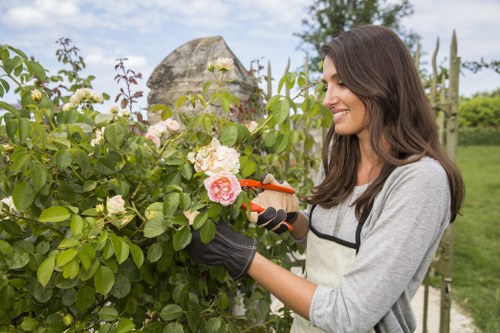 Garden Maintenance Queens Park services are rooted in an eco-first approach, focusing on sustainable rubbish gardening area practices and an eco-friendly waste disposal area for homes and communal green spaces. Our local teams deliver practical on-site separation of green waste, soil, and recyclable materials to reduce landfill contributions. This page explains our targets, local transfer station use, charity partnerships, and how low-carbon vans and efficient routes reduce emissions while maintaining vibrant gardens across Queens Park.
We work closely with borough waste strategies that favour clear separation: a food caddy for kitchen scraps, a separate paper/card stream, and mixed recycling for cans and plastics. By aligning with the boroughs' approach to waste separation, our Queens Park garden maintenance teams can increase recycling yields and simplify processing at transfer facilities. Recycling and composting on-site are standard practices wherever space and permissions allow.
 Our measurable sustainability ambition includes a public recycling percentage target: we aim for a minimum 65% recycling rate across garden-generated waste streams within 24 months of contract start, rising to 75% within five years. These metrics cover green waste, woody biomass, clean soil reuse, and diverted organic material sent to licensed composting or anaerobic digestion. The target is deliberately ambitious to support the boroughs' wider circular economy goals and reduce truck movements to landfill.
Garden waste handled by Queens Park maintenance teams is sorted at source into clear categories: branches and woody material, soft green cuttings, compostable kitchen waste (where permitted), and recyclable containers. We use labelled sacks and on-site bins to help households and communal caretakers follow the local authority waste separation practices, improving capture rates for recycling and composting. Our crews receive training in contamination reduction and safe handling to protect both workforce and material quality.
Sustainable Rubbish Gardening Area Operations
 In practice, sustainable rubbish gardening area operations include mulching on-site when appropriate, creating compost heaps for community gardens, and transporting surplus clean soil and green material to nearby transfer stations. We prioritise reuse: topsoil is screened and reused for planting beds; wood chippings become mulch; leaves feed community compost bays. These actions keep nutrients local and cut embodied carbon compared with off-site disposal.
We maintain strong relationships with several local transfer stations and materials recovery facilities (MRFs) that specialise in organic processing. Typical partners include borough-run transfer stations and licensed private facilities that operate anaerobic digestion and commercial composting. Routing to the closest appropriate station reduces journey distances and emissions and ensures materials are treated correctly under local authority contracts.
Partnerships and Circular Solutions
Partnerships are central to our circular approach. We collaborate with charities and social enterprises that accept usable planting pots, tools, and clean surplus soil or timber. Items that are in good condition are redirected to community gardens, charity workshops, or educational projects rather than being discarded. These partnerships support local horticultural programmes and extend the life of materials recovered during garden clearance.
 Examples of recycling activity relevant to the area include community compost schemes supported by neighbouring boroughs, deposit-and-return schemes for plastic pots, and local reuse networks for timber and paving. We also coordinate with charity reuse centres for safe, reusable items, and support local events that encourage residents to separate waste more effectively.
 Low-carbon fleet investments are an essential part of our sustainability plan. Queens Park garden maintenance uses a growing number of electric and hybrid vans and small electric trailers for inner-urban collections, combined with optimised routing systems to lower mileage. These low-emission vehicles reduce air pollution and noise in residential streets and contribute to an overall reduction in the carbon footprint of garden services in the area.
Operational commitments include:
- Recycling percentage target: achieve 65% within two years, 75% within five years
- Local transfer station use: prioritise nearest licensed facilities for organic and recyclable materials
- Charity partnerships: donate reusable pots, tools, and clean materials to community groups
- Low-carbon vans: deploy electric/hybrid vehicles and optimise routes to reduce emissions
Monitoring and reporting are integrated into every contract so maintenance clients and community groups can see progress against recycling targets and vehicle emission reductions. We collect data on tonnes diverted, routes saved, and materials reused to continually improve performance and demonstrate the benefits of sustainable garden maintenance in Queens Park.
Our commitment to sustainable practices ensures that garden maintenance in Queens Park does more than keep outdoor spaces attractive; it actively supports the area's environmental goals by minimising waste, reusing resources, and reducing carbon emissions through thoughtful logistics and partnerships.